ALLERGENS
Note the recipe
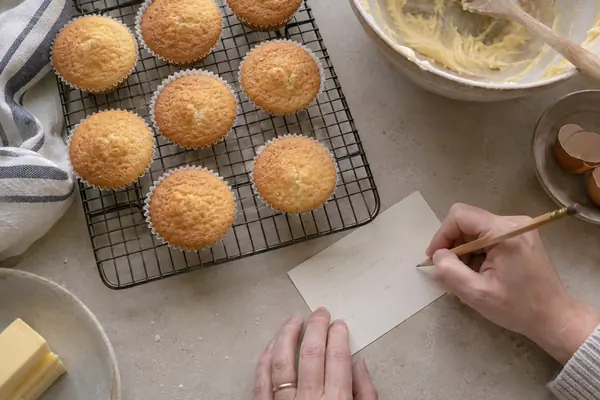
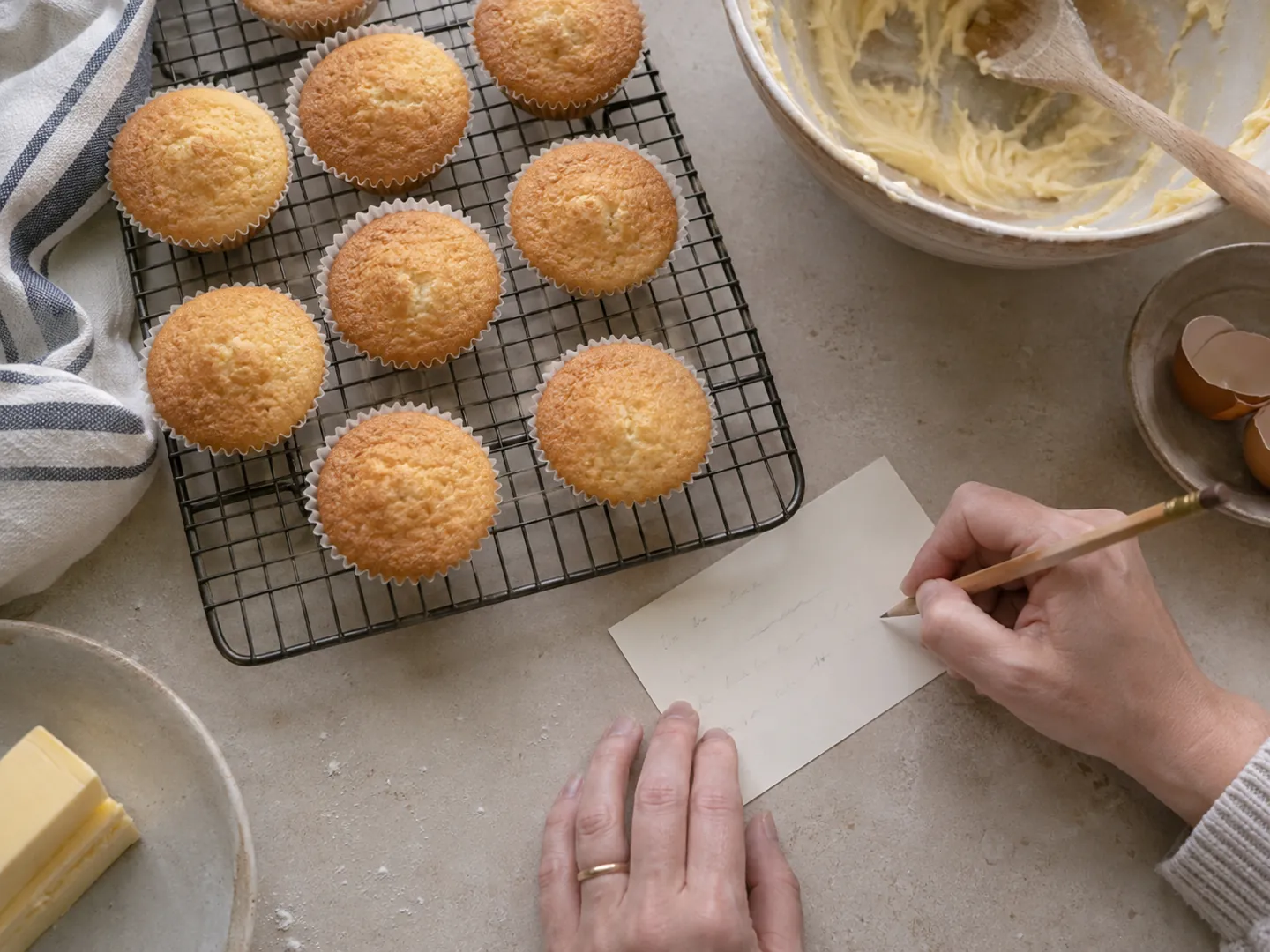
Make a note of the recipe or ingredients for every homemade bake, so you can tell people with food allergies which of the nine major allergens it contains.
Check a bake
 bittybitebaker
WHAT THE GUIDANCE SAYS
LABEL IT every batch
A bake sale runs on homemade cakes. Guidance says they can be safe to share.
Homemade cakes can be safe to share when bakers follow the basics: clean, separate, cook and chill, carry bakes safely and list the major allergens in each item.
Updated
Check a bakeTHE SHORT ANSWER
Guidance from FDA, CDC and FARE.
Rules for selling homemade food are set by states and localities.
ALLERGENS
Make a note of the recipe or ingredients for every homemade bake, so you can tell people with food allergies which of the nine major allergens it contains.
Check a bakeCREAM
Cheesecakes and cakes with fresh cream are perishable. CDC says never leave perishable food out more than 2 hours, or 1 hour above 90°F.
See the numbersSERVING
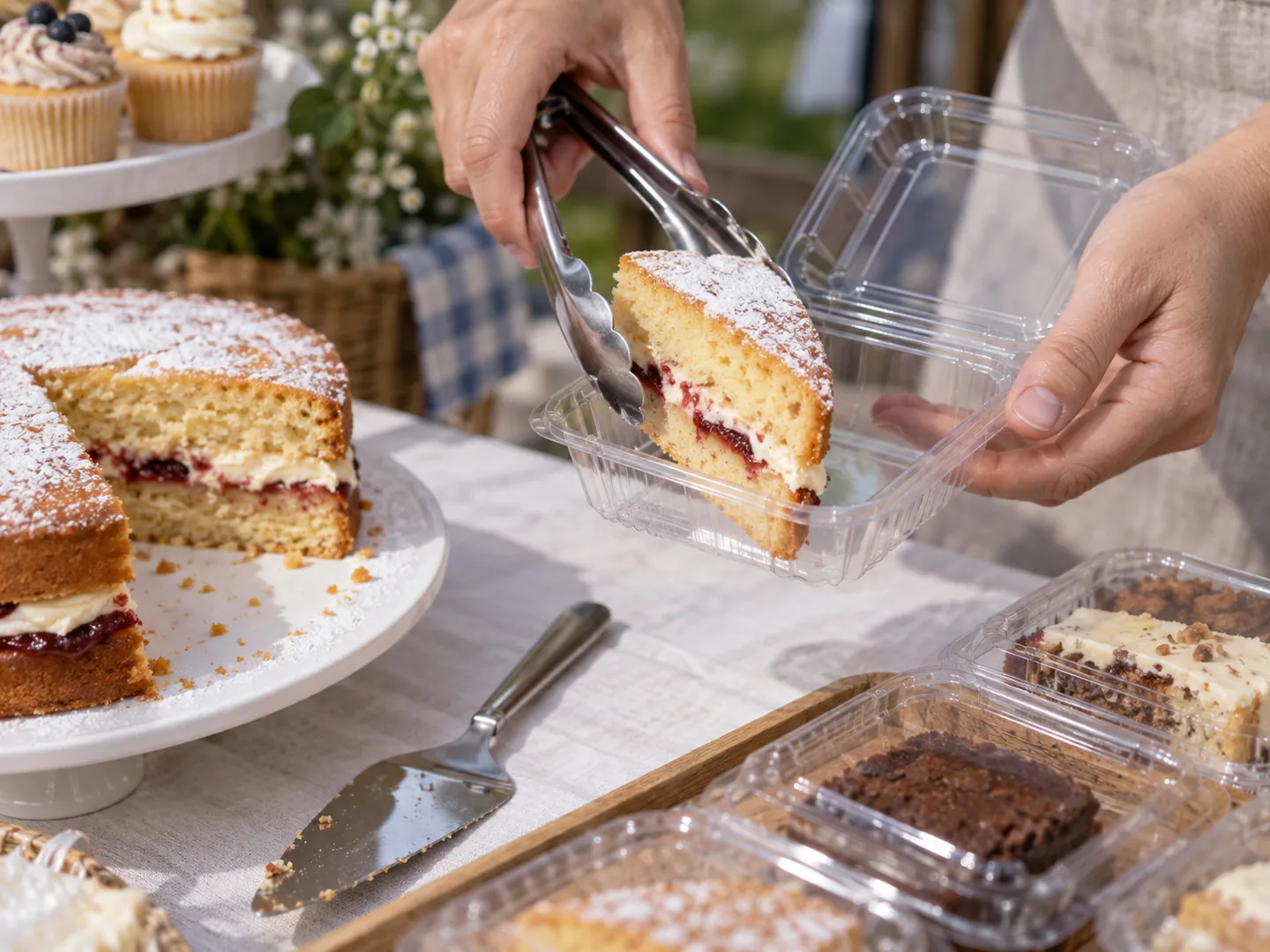
Carry cakes in a clean, sealable container and use tongs or a cake slice when you hand them over.
Plan the stallGeneral information only, not medical advice. For advice about your own health, speak to a doctor, pharmacist or other qualified health professional.
A QUICK STALL CHECK
Pick a type of bake to see what the guidance asks of it. The bar shows how much extra care that bake needs.
Based on FDA, CDC and FARE guidance. Rules for selling homemade food vary by state and locality. General information, not legal or medical advice.
TWO NUMBERS WORTH KNOWING
One number for the label,
one for the cream cakes.
9
Major food allergens identified by US law
Milk, eggs, fish, crustacean shellfish, tree nuts, peanuts, wheat, soybeans and sesame. FDA-regulated packaged foods must name them on the label.
ALLERGENS · FSA
2 hours
Longest time perishable food should sit out
CDC says never leave perishable food out for more than 2 hours, or 1 hour if it is above 90°F, as in a hot car or at a picnic. Bacteria multiply fast between 40°F and 140°F.
CHILLED FOOD · FSA
Sesame became the ninth major food allergen on January 1, 2023, under the FASTER Act. FDA notes that some products for sale may still not list sesame, so check with the maker of store-bought ingredients if you are unsure.
FOUR STEPS FOR THE DAY
None of these needs special kit. They are the habits the guidance comes back to, from the kitchen to the last slice.
Wash your hands and make sure surfaces, bowls and utensils are clean and sanitized before you start.
Write an ingredients card for every batch, so helpers know which of the nine major allergens are in each bake.
Bring cakes in a clean, sealable container and keep cream cakes chilled at 40°F or below until the last moment.
Use tongs or a cake slice, wash hands before serving, and give each product its own utensil.
WHO NEEDS TO REGISTER
In the US, state, local and tribal regulators set the rules for selling food, using the FDA Food Code as a model for their own. Whether a one-off bake sale needs a permit depends on where you live, so check with your local health department.
Whatever the rules, the food must be safe to eat. CDC's basics apply to every bake: clean hands and surfaces, keep raw eggs and flour apart, cook food properly and chill perishables promptly.
QUESTIONS PEOPLE ASK
FDA's allergen labeling rules cover packaged foods it regulates. For homemade bake sale items, rules are set by your state and local health department, so check with them. Either way, listing the nine major allergens helps buyers with food allergies.
The nine major food allergens identified by US law: milk, eggs, fish, crustacean shellfish (such as crab, lobster and shrimp), tree nuts (such as almonds, walnuts and pecans), peanuts, wheat, soybeans and sesame.
CDC's four steps are clean, separate, cook and chill: wash hands and surfaces, keep raw foods such as eggs and flour apart from ready-to-eat food, cook food properly and refrigerate promptly.
Yes, but keep cheesecakes and fresh cream cakes in the fridge at 40°F or below, and on the day leave them out no more than 2 hours, or 1 hour above 90°F.
Keep bakes covered in clean, airtight containers. Anything with cream or other dairy is perishable: CDC says refrigerate it within 2 hours, or within 1 hour above 90°F, and keep the fridge at 40°F or below.
Sources
ABOUT THIS NAME
bittybitebaker.com is part of the DoodleSale portfolio. It isn't in an auction right now, but you can ask about leasing it.